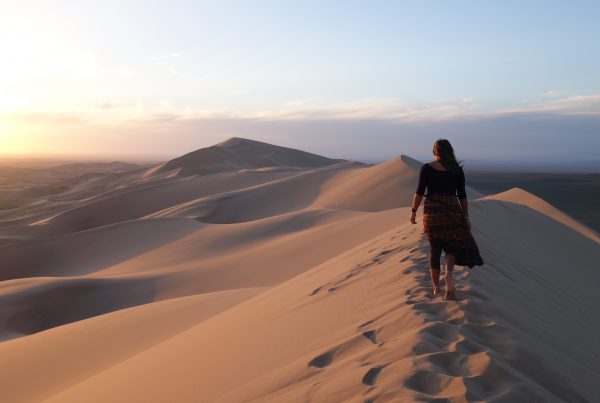
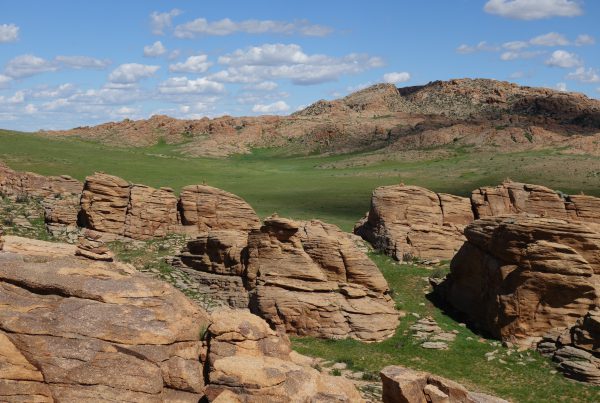
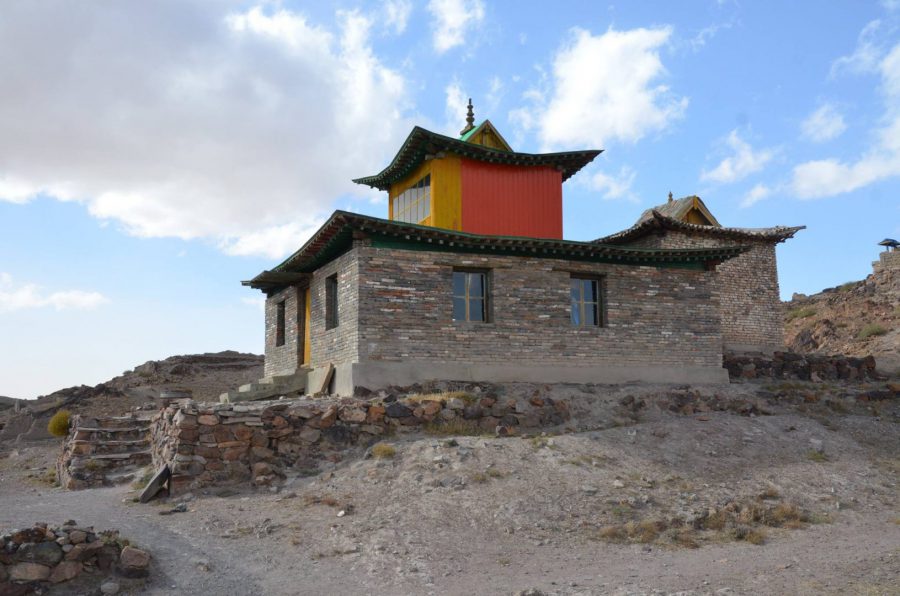
Ongi Monastery is more than just a historical site. It’s a peaceful place to explore, surrounded by the wide, open beauty of the Gobi Desert.
Explore the Historic Ongi Monastery
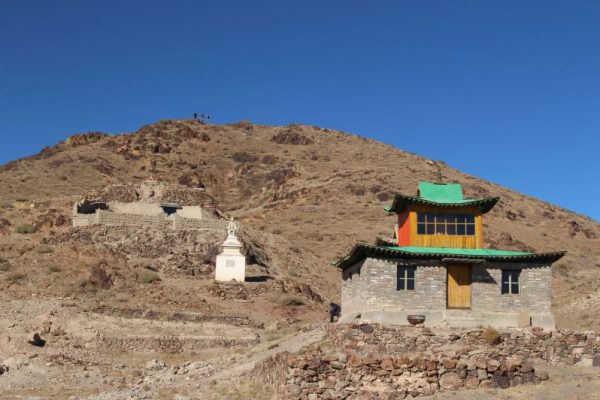
At the foot of Mount Saikhan Ovoo, near the quiet village of Saikhan Ovoo in Mongolia’s Dundgovi Province, you’ll find the peaceful and historic Ongi Monastery, also known as Ongiin Khiid. Once, this was one of the largest and most respected monasteries in all of Mongolia. Today, it stands as a symbol of Mongolia’s spiritual roots—and its strength through tough times.
The Story of Ongi Monastery
Ongi Monastery was founded in 1660. It had two main temple areas, built on both sides of the Ongi River. On the south side, there was Khutagt, the oldest part. It included 11 temples and several buildings for administration. Later, in the 1700s, monks expanded the monastery by building the Barlim complex on the north side. They constructed 17 temples there, including one of the largest temples in Mongolia at the time. They also turned Ongi Monastery into a thriving center for Buddhist education. Monks founded four Buddhist universities and welcomed up to 1,000 monks at once. The monastery buzzed with learning, prayer, and peaceful daily life.
The Destruction of Ongi Monastery
Sadly, everything changed in 1939. During the communist purge, the monastery was destroyed. Around 200 monks were killed, while many others were arrested or forced to join the army. At the same time, the government redirected the Ongi River to supply nearby state-run mining operations. As a result, the land became dry, and many local residents left the area. Over time, the monastery was forgotten and fell into ruins.
A New Beginning
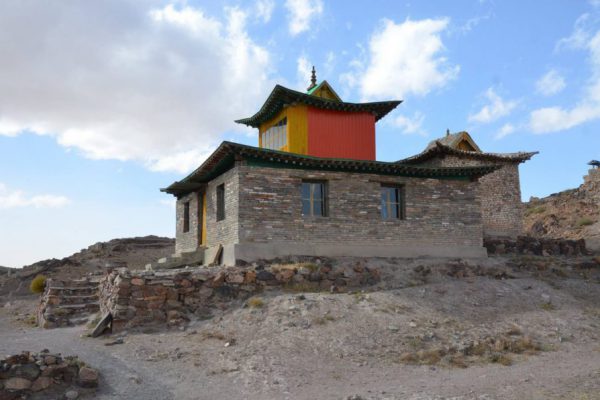
Things began to change after 1990, when communism fell in Mongolia. Three elderly monks who had studied at Ongi Monastery returned to the ruins in 1990. With hope and determination, they began rebuilding the monastery—step by step. They fully rebuilt one temple and set up two small museums inside traditional yurts. These museums display old religious items, fragments of original temples, and other artifacts from the monastery’s past.
Planning a visit to Ongi Monastery? Explore our travel options and discover trips that include this historic site.