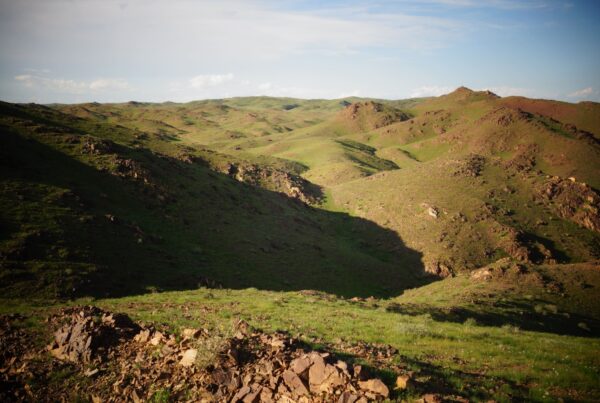
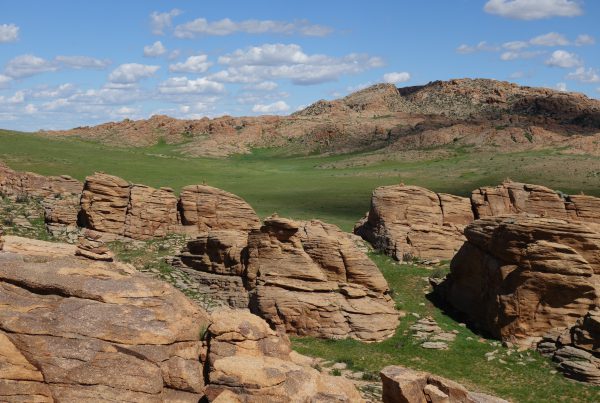
At the foot of Mount Saikhan Ovoo, near the village of Saikhan Ovoo in Mongolia’s Dundgovi Province, you will find Ongi Monastery, also called Ongiin Khiid. This historic monastery once ranked among Mongolia’s largest and most respected. Today, it symbolizes the country’s spiritual roots and resilience.
Ongi Monastery – History and Legacy
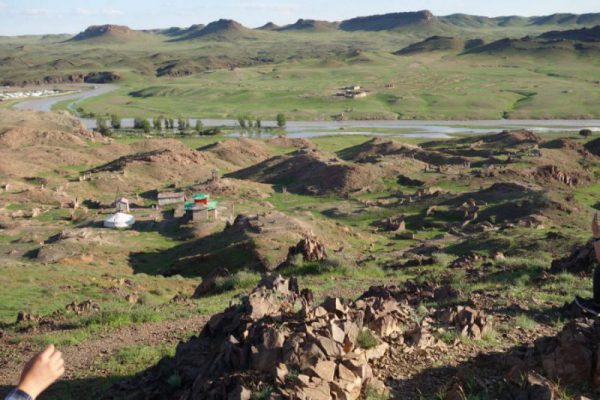
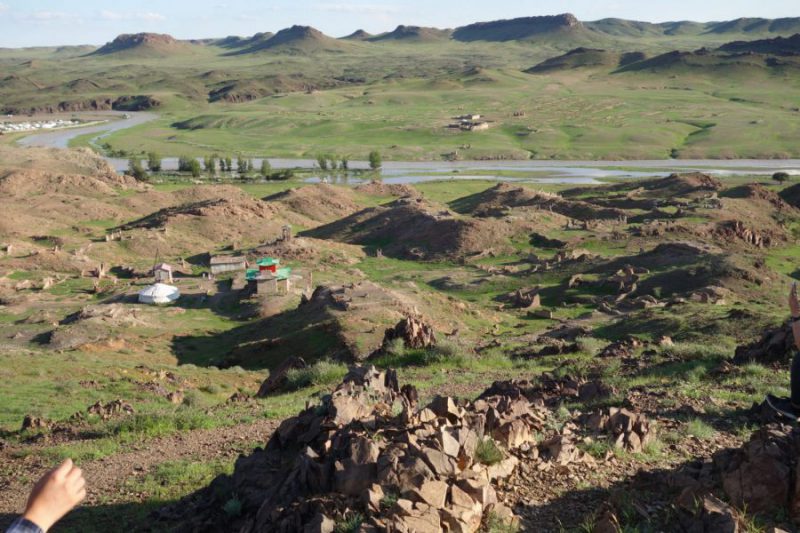
Ongi Monastery began in 1660 with two main temple complexes on both sides of the Ongi River. The south side, Khutagt, housed 11 temples and administrative buildings. In the 1700s, monks expanded the north side, creating the Barlim complex with 17 temples, including one of Mongolia’s largest temples at that time. Monks also founded four Buddhist universities, welcoming up to 1,000 students at once. The monastery thrived as a center of learning, prayer, and daily life.
The Destruction of Ongi Monastery
In 1939, communist forces under Khorloogiin Choibalsan destroyed the monastery. They killed around 200 monks and arrested many others, forcing some to join the army. Authorities redirected the Ongi River to support state mining operations, drying the land and driving local residents away. Over time, people forgot about the monastery, and the structures fell into ruins.
A New Beginning
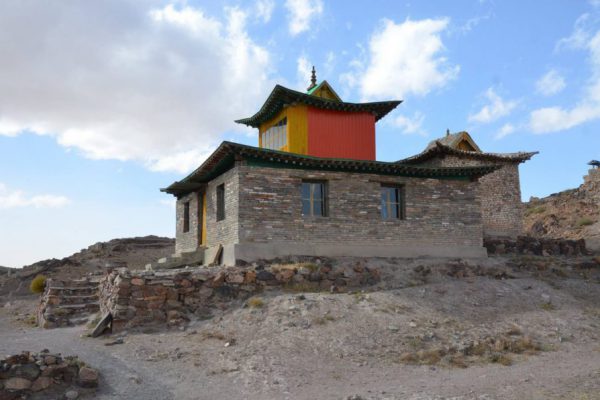
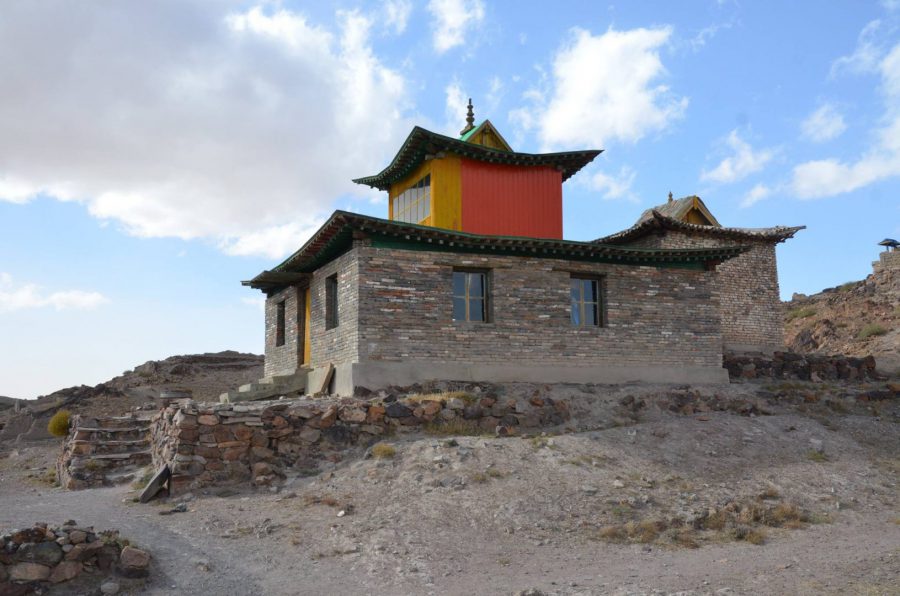
After 1990, three elderly monks returned to the ruins and began rebuilding the monastery. They fully restored one temple and created two small museums inside traditional yurts. The museums display religious items, fragments of the original temples, and artifacts from the monastery’s past. Visitors can walk among the restored areas, explore the ruins, and experience Mongolia’s spiritual traditions.
Visiting Ongi Monastery
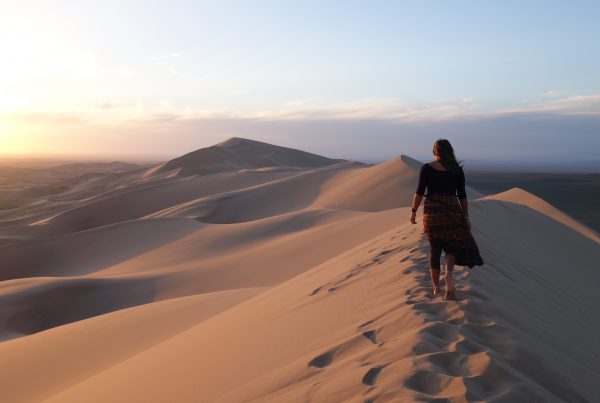
Travelers find Ongi Monastery peaceful and inspiring. Walk the grounds, admire the restored temple, and explore the surrounding desert. Many travelers combine a visit here with Gobi Desert tours for a complete cultural adventure. The monastery offers a meaningful experience for history lovers, adventurers, and spiritual travelers.