
Plan your trip to Mongolia with practical information about the best things to do, top attractions, travel seasons, getting to Mongolia, and what to bring.
Mongolia Travel Guide
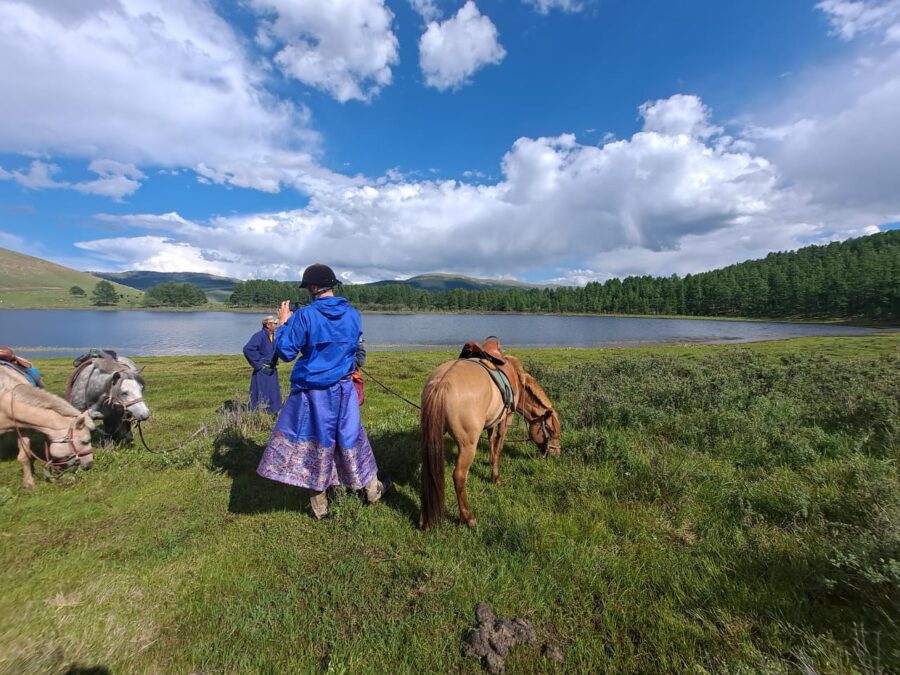
Horseback Riding in Mongolia: A Unique Adventure
The Mongol horse, native to Mongolia, has remained largely unchanged since the time of Genghis Khan. This makes it a living connection to the past, rich in history and tradition. In fact, this deep historical link is one of the main reasons why horseback riding in Mongolia is a must-do activity for tourists. For those seeking an authentic experience, this is an unforgettable adventure. Horses play a crucial role in Mongolia’s nomadic lifestyle. Because of this, horses are an essential part of everyday life and can be seen across the country. From the vast steppes to the remote mountain regions, they are ever-present. If you’re planning a trip to Mongolia, make sure to add horseback riding to your itinerary.
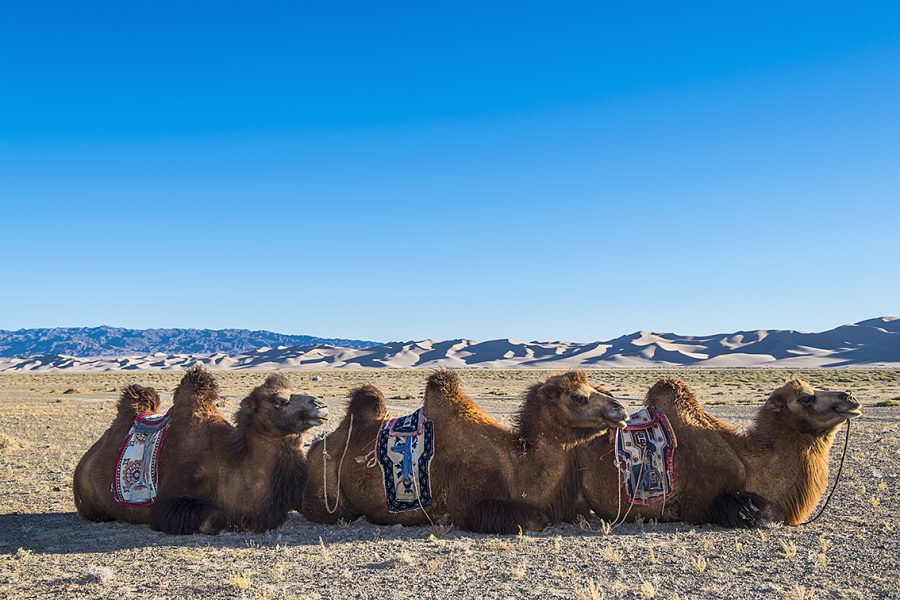
Camel Riding in Mongolia: An Unforgettable Adventure
Mongolia is home to the largest population of two-humped Bactrian camels in the world. Historically, these camels played a vital role in transportation along the Silk Road and the Tea Road, which connected Asia and Europe. Today, camel riding has become one of the most popular activities for tourists visiting Mongolia, offering a chance to experience a unique aspect of the country’s rich history. For those looking to experience camel riding, the Southern Gobi Desert and the Central Semi-Gobi area are top destinations. These regions offer breathtaking scenery and the opportunity to ride camels through some of the most stunning desert landscapes in Mongolia.
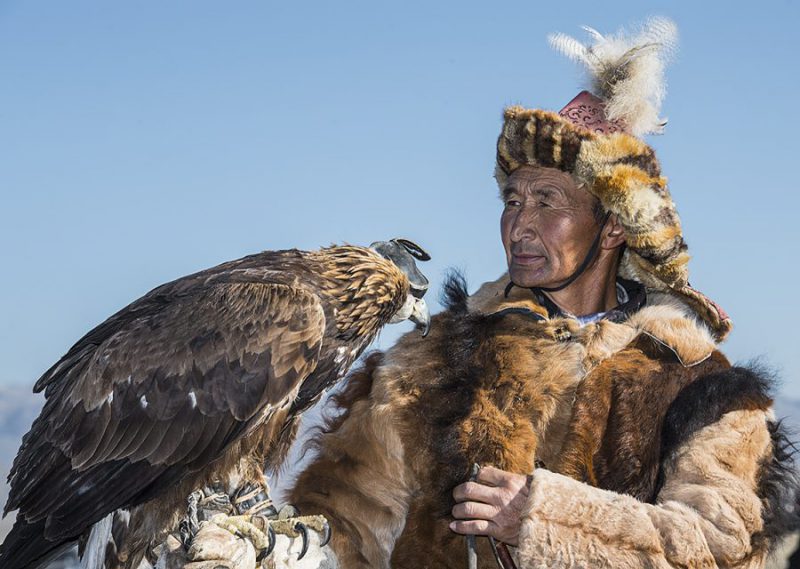
Golden Eagle Festival in Mongolia: A Unique Cultural Celebration
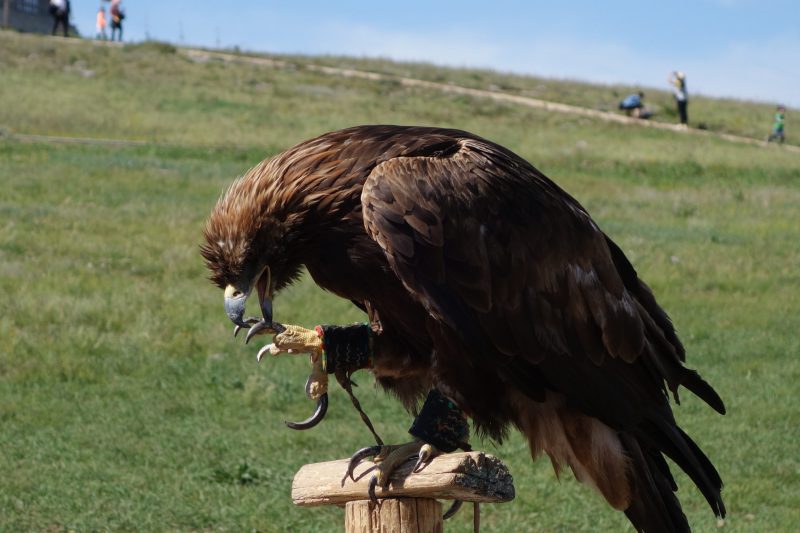
The Golden Eagle Festival is an annual traditional event held in Bayan-Ölgii Aimag, Mongolia. Throughout the festival, visitors have the chance to witness the incredible skill of Kazakh falconers. Moreover, it serves as a platform to celebrate and preserve their rich cultural heritage. During the event, falconers honor their traditions by competing in various challenges, showcasing their mastery of hunting with golden eagles. This competition is a highlight, demonstrating the deep bond between the falconers and their eagles. Whether you’re a nature lover, cultural enthusiast, or adventure seeker, the Golden Eagle Festival promises to be an unforgettable experience.
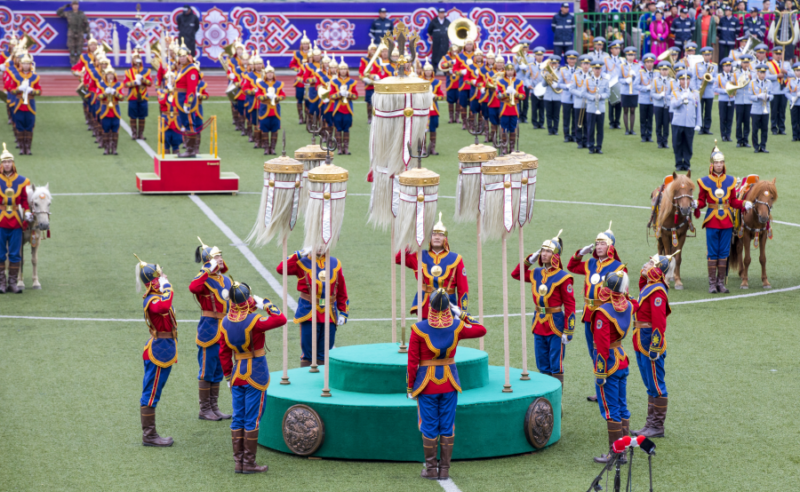
Naadam Festival in Mongolia: A Celebration of Tradition and Culture
The Naadam Festival is Mongolia’s most famous traditional event and the biggest national holiday in the country. As a result, it provides a unique opportunity for travelers to mingle with locals and experience authentic Mongolian culture. Unlike typical tourist events, Naadam is a genuine holiday celebrated by Mongolians, who actively participate in traditional sports and games. Held annually from July 11 to 13, the Naadam Festival takes place across Mongolia. During this time, celebrations focus on three traditional games: Horse-racing, Wrestling, and Archery. This festival is, without a doubt, an essential part of experiencing the heart of Mongolia.
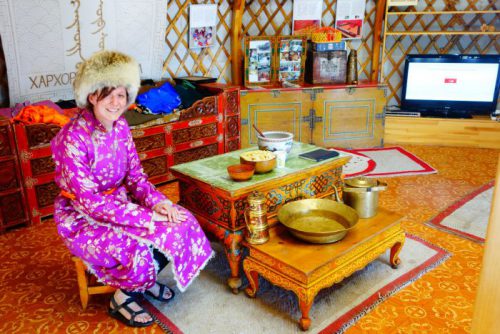
Mongolia: The Last Stronghold of Living Nomadic Culture
Mongolia is widely regarded as one of the last countries in the world where the ancient tradition of nomadic living thrives. This unique lifestyle has been preserved for centuries, dating back to the era of the mighty Hun Empire. For generations, Mongolians have maintained a close connection with nature by raising five key domestic animals: horses, cattle, sheep, goats, and camels. Beyond its breathtaking landscapes, the heart of Mongolia lies in its traditional, nomadic way of life. Understanding this culture is undoubtedly a primary goal for any traveler visiting the country. As such, immersing yourself in the authentic lifestyle of Mongolian nomadic families offers an unparalleled cultural experience.
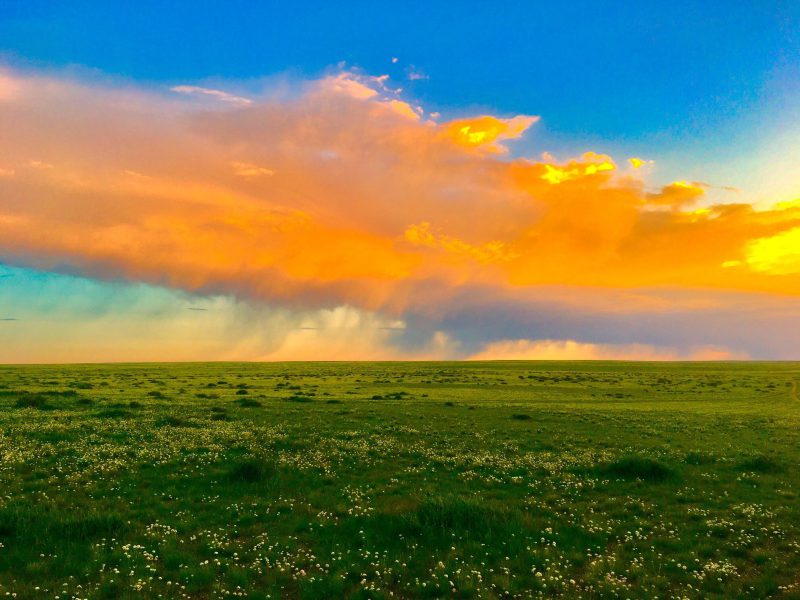
The Vast, Untouched Steppe: Discover Mongolia’s Unspoiled Beauty
Mongolia, known as the “Land of the Blue Sky,” is famous for its vast, untouched wilderness. In today’s fast-paced world, it stands out as one of the few places that offers pristine landscapes and ancient traditions. These traditions have been carefully preserved for centuries. What makes Mongolia truly unique is its vast, unspoiled land. Unlike developed destinations, nature still dominates here. From the endless steppe to the rugged mountains and peaceful deserts, the landscapes are breathtaking. Furthermore, Mongolia remains largely untouched by modern development. As a result, it offers travelers an authentic experience. You can connect deeply with nature and immerse yourself in a culture that has stood the test of time. This makes Mongolia a perfect destination for those seeking a raw, unfiltered journey.
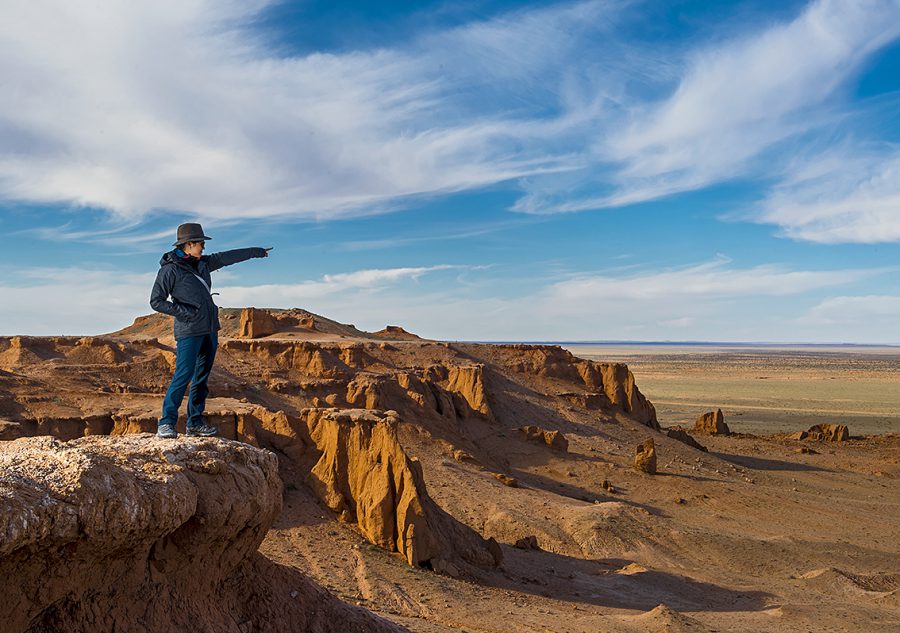
The Gobi Desert: Home to One of the World’s Largest Deserts
The Gobi Desert, located in Mongolia, holds the title of the largest desert in Asia. It is also the fifth largest desert in the world. Many people often picture the Gobi as a vast, lifeless expanse of sand. However, the reality is quite different. In fact, only about 5% of the Gobi consists of sand dunes. The rest of the desert is covered with expansive steppes, rocky terrains, and towering mountains. Furthermore, the Gobi Desert is far from being desolate. It is actually a thriving ecosystem. For example, it is home to camel breeders who have learned to adapt to its harsh conditions. In addition to its natural beauty, the Gobi is famously known as a land of dinosaurs. Fossil discoveries in this region have offered valuable insights into prehistoric life.
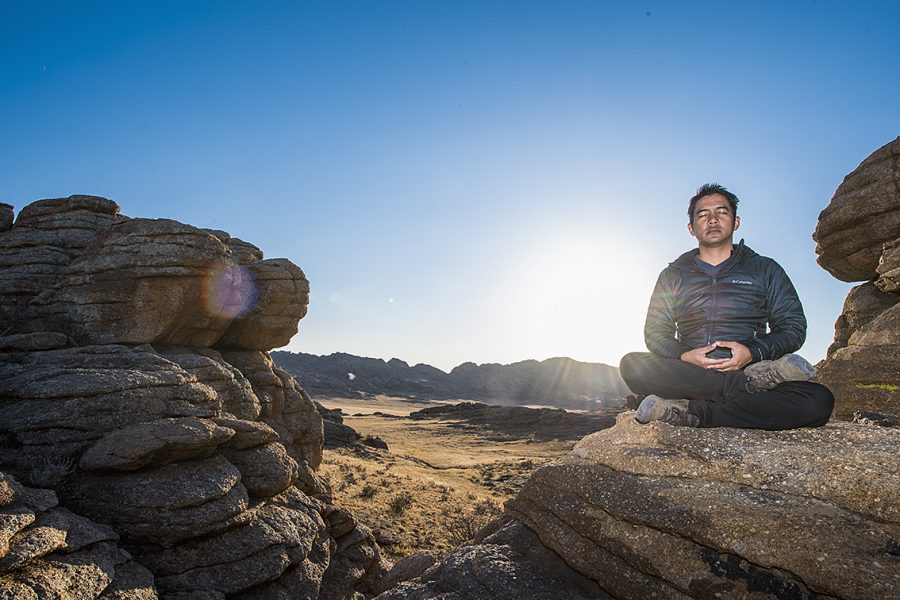
Take a Break from the Stress of Modern-Day Civilization: Escape to Rural Mongolia
In today’s fast-paced and stress-filled world, sometimes all you need is a break from modern civilization. A journey to the Mongolian countryside offers the perfect escape from the constant hustle and bustle of everyday life. As you travel through Mongolia’s expansive landscapes, you’ll be enveloped by stunning natural beauty that soothes the mind and soul. It provides a peaceful retreat where you can relax, recharge, and disconnect from the pressures of daily life. Whether you’re looking to reconnect with nature, embrace solitude, or simply find a quiet place to unwind, rural Mongolia offers an authentic and refreshing retreat. This remote destination provides the perfect escape from the demands of modern-day living, offering a rare opportunity to experience true peace and serenity.
Our Suggested Mongolia Travel Blog Posts
For those seeking adventure, a Mongolia travel blog is the perfect way to start your journey.
Mongolia Travel Blog 1
Classic Tour Mongolia Travel Blog 2
Top Tips for Travel in Mongolia blog
Khongor Sand Dunes: A Natural Wonder in Mongolia
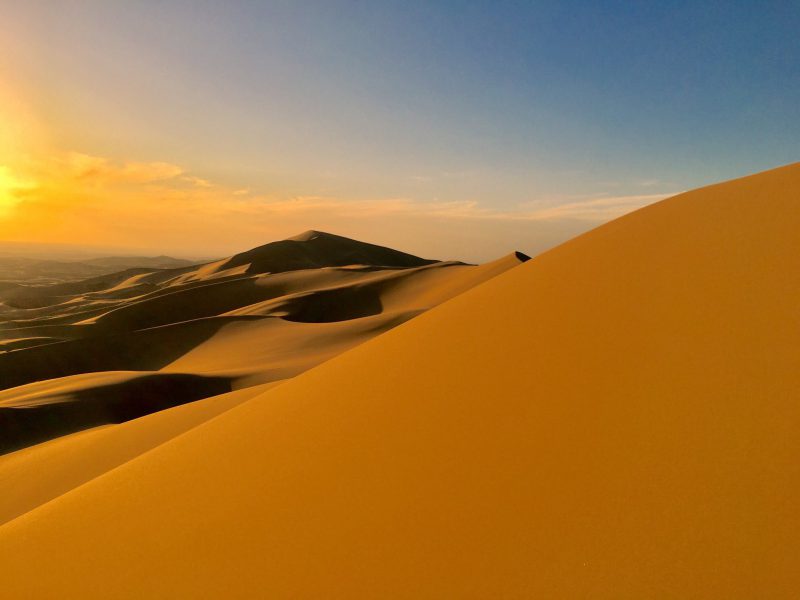
The Khongor Sand Dunes, also known as the “Singing Sand Dunes,” are undoubtedly one of Mongolia’s largest and most stunning sand dunes. Stretching over an impressive 180 kilometers, these dunes are a breathtaking sight. Located in the heart of the Gobi Desert, they rise as high as 800 meters, with the tallest dunes situated in the northwest. Climbing to the top of the dunes is an exciting challenge that offers a truly thrilling experience. Once you reach the summit, you’ll be able to slide down the sandy slopes, adding to the adventure. In addition, the Gobi Desert is home to the endangered two-humped Bactrian camels, which roam freely in this remote area, adding to its natural charm.
Tsagaan Suvarga: Mongolia’s Stunning Natural Marvel
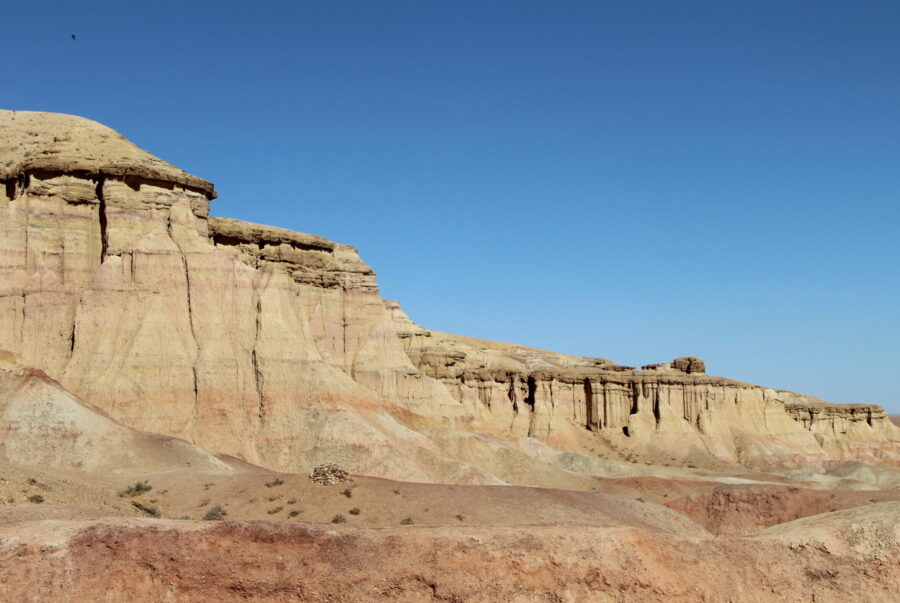
Tsagaan Suvarga, located in Ulziit soum of Dundgovi province, is a striking natural landmark in Mongolia. This impressive escarpment rises 30 meters high and spans 100 meters wide. Additionally, the larger formation reaches 200 meters in height and extends 400 meters in length. Over thousands of years, the relentless wind has shaped this stunning landscape, creating a breathtaking sight. The cliff’s vertical, 90-degree angle adds to its dramatic appearance. Furthermore, the colorful clay deposits along the surface enhance its striking beauty. From a distance, Tsagaan Suvarga resembles an ancient city or even white stupas, adding a sense of mystery.
Bayanzag: Explore the Flaming Cliffs in Mongolia
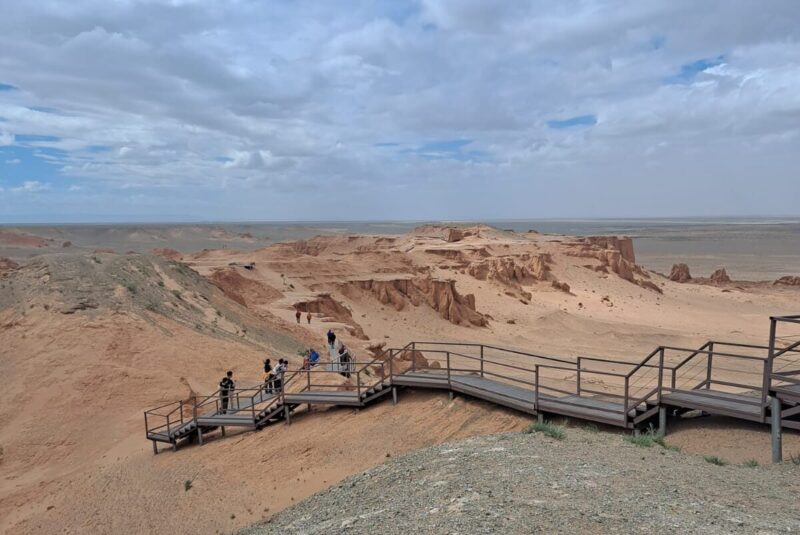
Bayanzag, located 100 kilometers northwest of Dalanzadgad, is a renowned paleontological site. In 1922, American explorer Roy Andrew Chapman made a groundbreaking discovery here. He found dinosaur bones and eggs, cementing Bayanzag’s importance in scientific history. Chapman spent two years exploring the Gobi Desert. During this time, he uncovered fossils not only from Bayanzag but also from nearby Nemekht Mountain. Remarkably, he transported his findings across the desert on 70 camels. Eventually, he brought a dinosaur skeleton to the Ulaanbaatar Natural History Museum, where it was put on display. As the sun sets, the cliffs glow with a flame-like appearance, giving them their nickname.
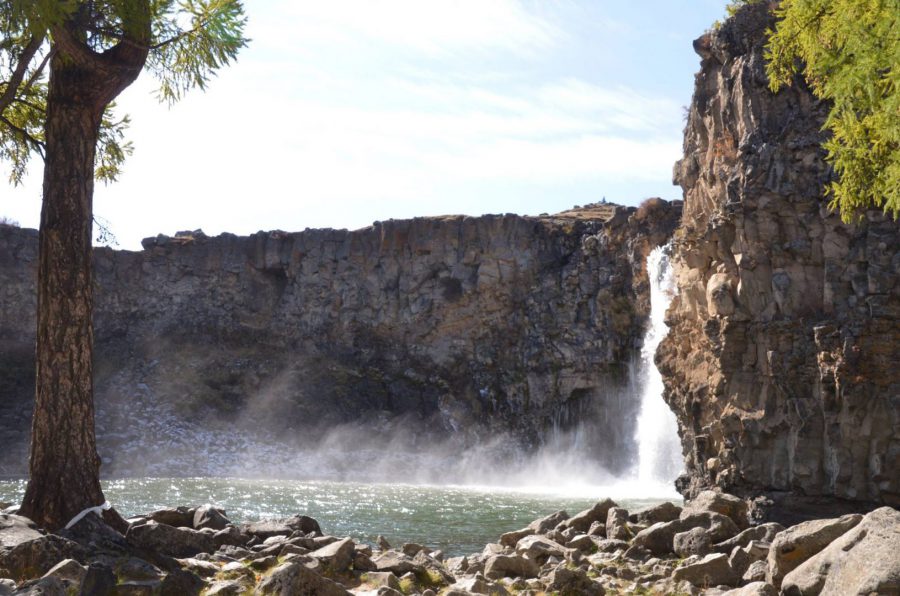
Discover Orkhon Valley: A Natural Wonder in Central Mongolia
Orkhon Valley, in Central Mongolia, is a stunning natural attraction, home to the magnificent Orkhon Waterfall. Situated along the Orkhon River in Bat-Ulzii, Uvurkhangai Province, this waterfall is a must-see for nature lovers and adventure seekers. The Orkhon River, Mongolia’s longest at 1,124 kilometers, flows through picturesque landscapes. It offers activities such as fishing, horseback riding, cycling, and photography, making it an ideal spot for outdoor enthusiasts. The valley also provides excellent opportunities for hiking and exploring the Mongolian wilderness. Rich in culture, Orkhon Valley is considered the heart of Mongolian nomadic life. Visitors can experience the traditional way of life of herders, immersed in the valley’s unique landscapes.
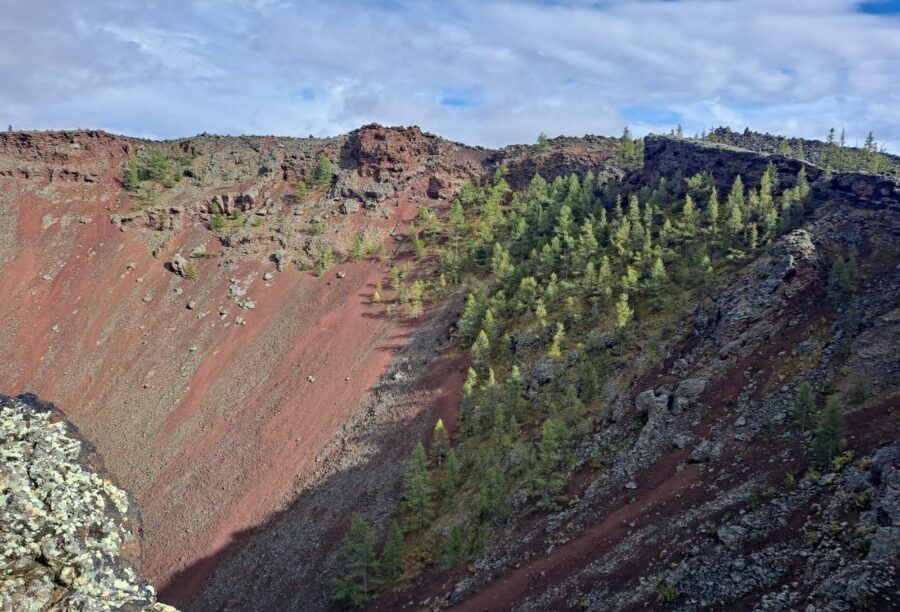
Explore Khorgo and Terkh White Lake: A Natural Treasure in Arkhangai Province
Khorgo and Terkh White Lake National Park is the highlight of Arkhangai Province. It is also one of Mongolia’s most stunning natural destinations. At the heart of the park lies Terkh White Lake, often called the jewel of Arkhangai. It is undeniably one of the most beautiful lakes in Mongolia. Located at an altitude of 2,060 meters, Terkh White Lake is famous for its crystal-clear freshwater. The lake is teeming with biodiversity, including a variety of fish and bird species. As a result, it offers a peaceful retreat for nature lovers and wildlife enthusiasts. Not far from the lake, the Khorgo Volcano is another fascinating geological feature. This dormant volcano, covered in basalt, boasts a crater known as Togoo Uul. The crater is 200 meters wide and 100 meters deep. The volcano last erupted over 8,000 years ago.
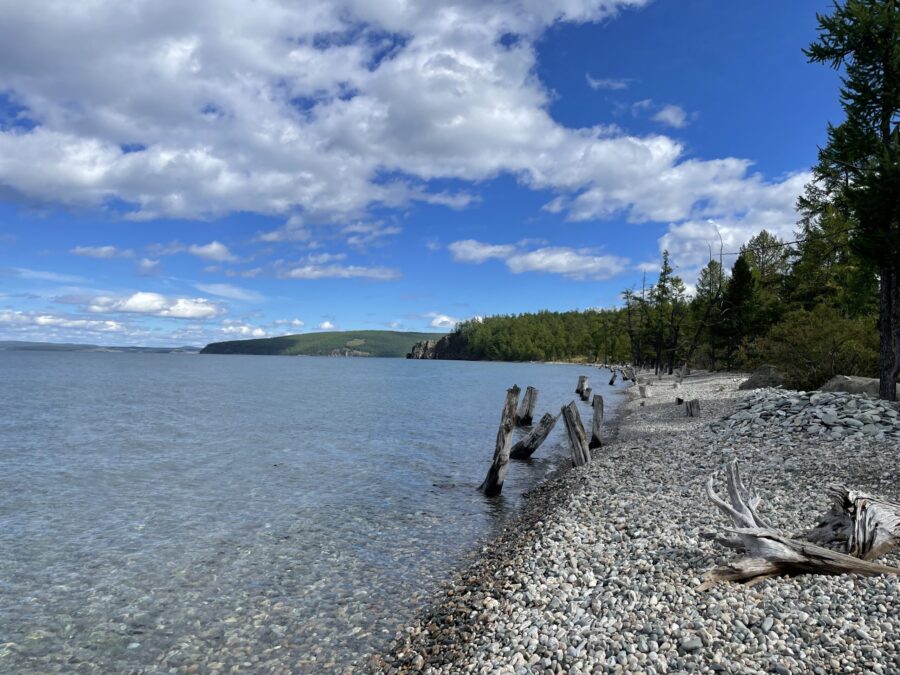
Khuvsgul Lake: Mongolia’s Majestic Natural Jewel
Khuvsgul Lake is located in northern Mongolia. It is a stunning tourist destination. Known as the “Blue Pearl” of Mongolia, it is the second-largest freshwater lake in Asia by volume. The lake holds nearly 70% of the country’s fresh water. Its crystal-clear waters provide a serene experience. Visitors can see the lakebed while sailing. The area around the lake is rich in wildlife. It is home to Argali sheep, wild Ibex, bears, sable, moose, and wolves. Khuvsgul also hosts some of the last reindeer herders in the world. These herders live in the mountain forests near the lake. They preserve their ancient way of life. Khuvsgul Lake offers an unforgettable opportunity. It allows visitors to explore nature, spot wildlife, and experience Mongolia’s cultural heritage. It is a must-visit destination for both adventure and tranquility.
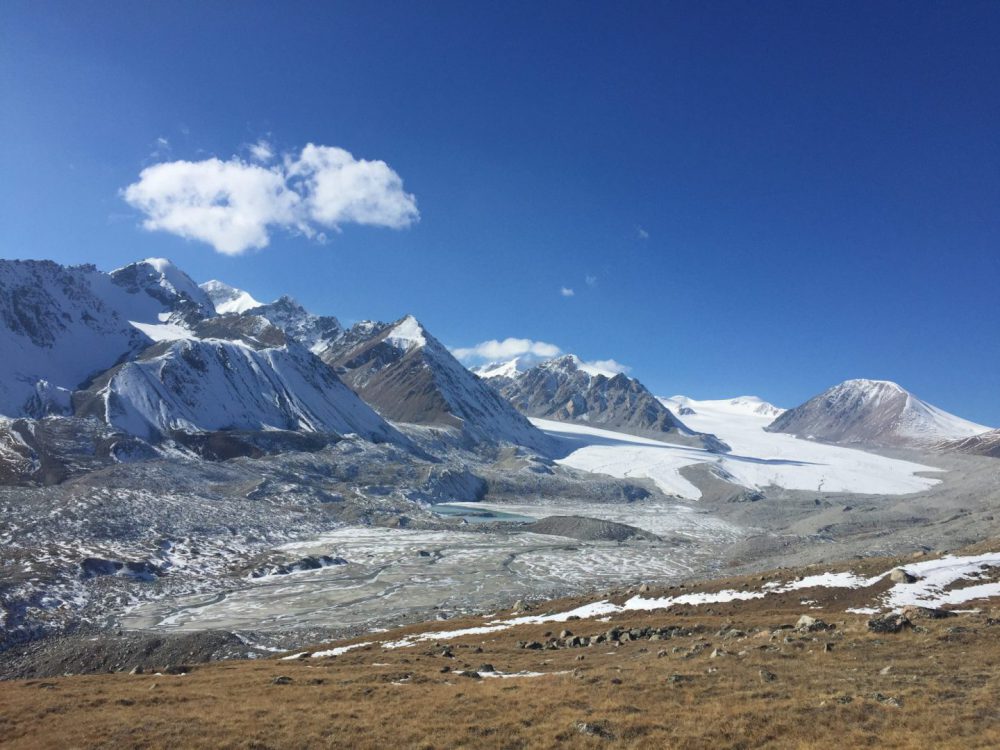
Altai Tavan Bogd National Park: A Natural Wonder in Western Mongolia
Altai Tavan Bogd National Park, located in Bayan-Ölgii Province, is truly a breathtaking natural destination. The name “Altai Tavan Bogd” translates to “Five Saints of Altai,” referring to the five towering peaks in the region. Among them, Huiten Peak stands out as the highest, reaching 4,374 meters above sea level. The park’s climate is extremely unpredictable, offering a unique experience for every visitor. The weather can shift quickly, moving from sunshine to snow or rain, making each day an adventure. The park offers a wide range of activities, such as mountain climbing, trekking, and camel or horse rides. In addition, visitors have the chance to immerse themselves in the vibrant Kazakh culture that thrives in the area. Altai Tavan Bogd is a must-visit for those seeking adventure and a unique cultural experience.
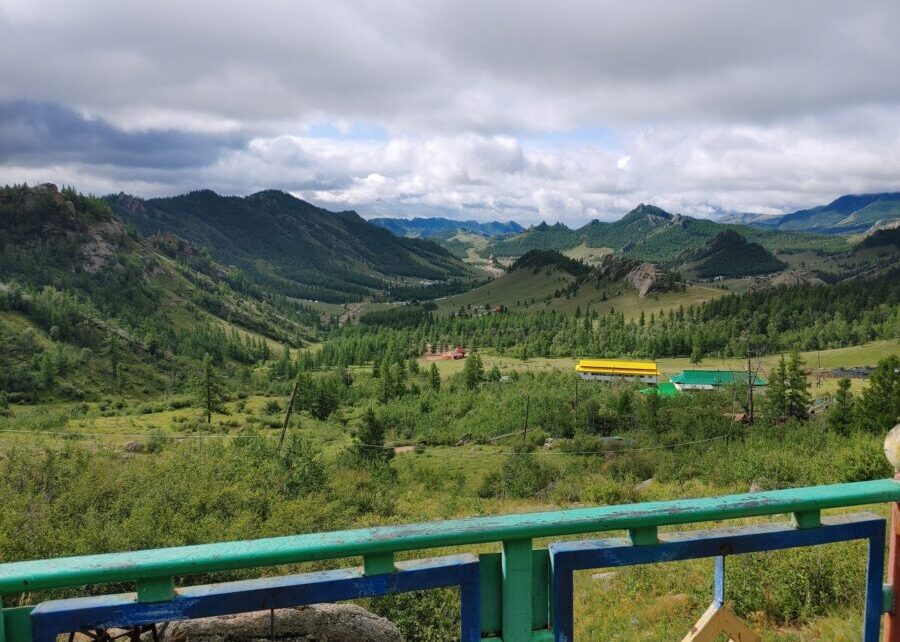
Gorkhi Terelj National Park: A Top Destination in Mongolia
Gorkhi Terelj National Park is one of Mongolia’s most popular parks, and it’s often featured in a Mongolia travel blog for its vibrant alpine landscapes. One of the major highlights of the park is Turtle Rock. This unique rock formation attracts many visitors each year. Not far from Turtle Rock, you’ll find the peaceful Ariyabal Meditation Temple. From the temple, you can enjoy stunning panoramic views of the entire park. While in Gorkhi Terelj, there are many activities to enjoy. You can hike through the beautiful landscapes, ride horses across the plains, rock climb, or even watch birds and flowers. The park offers a perfect blend of natural beauty and outdoor adventure. Overall, Gorkhi Terelj National Park is a must-visit for anyone exploring Mongolia’s stunning wilderness, as highlighted in many Mongolia travel blogs.
Mongolia Weather & Climate: What to Expect
Mongolia is known as the “Land of the Blue Sky,” with around 250 sunny days a year. The country has a continental climate, with warm summers and long, dry, extremely cold winters.
Summer Weather in Mongolia
Summer generally runs from mid-May to mid-September. Daytime temperatures are usually around 18°C–26°C (64°F–79°F), although the Gobi Desert can reach over 30°C (86°F) and occasionally around 40°C (104°F) in July and August. Most rainfall occurs during summer, particularly in July and early August. Rain can be brief but may be heavy, so a waterproof jacket is recommended.
The best time to visit Mongolia
For most travelers, mid-June to late August is the most popular time to visit. You can expect long sunny days, greener landscapes, and good conditions for outdoor activities.
If you prefer milder weather, both June and September are excellent choices. June brings fresh greenery and blooming wildflowers, while September is perfect for autumn colors, cooler temperatures, and a peaceful atmosphere. Autumn is also when nomadic families are busy preparing for winter, and you’ll get to taste a variety of dairy products made from fresh milk—an authentic cultural experience.
- July: Experience the famous Naadam Festival.
- June–September: Explore the Gobi Desert.
- July–August: Visit Northern Mongolia and Lake Khuvsgul.
- Early October: Experience the Golden Eagle Festival in Western Mongolia.
- February: Enjoy winter landscapes, frozen lakes, and ice festivals.
How to Get to Mongolia
If you’re planning your adventure to Mongolia, you’re probably wondering about the best ways to get there. Whether you’re flying in, riding the famous Trans-Siberian Railway, or crossing the border by bus, there are a few convenient options to consider. Here’s our essential Mongolia Travel FAQ to help you choose the route that suits your travel style and budget.
Getting to Mongolia by Air
Flying is the fastest and most convenient way to reach Mongolia. Several international airlines offer regular flights to Ulaanbaatar, Mongolia’s capital.
Major Airlines Flying to Mongolia:
-
MIAT Mongolian Airlines – Direct flights to/from Berlin, Moscow, Beijing, Tokyo, Osaka, and Seoul
-
Korean Air – Multiple flights per week to Ulaanbaatar
-
Aeroflot – Two flights per week from Moscow
-
Air China – Regular flights connecting through Beijing
-
Turkish Airlines – Flights available via Istanbul
Recommended Flight Routes:
-
From Europe: You can fly to Berlin or Moscow, then connect to a MIAT or Aeroflot flight to Ulaanbaatar.
-
From the U.S.: One cost-effective route is to book through a Mongolian travel agency based in the U.S. Alternatively:
-
Fly United Airlines to Beijing, then transfer to a MIAT or Air China flight to Mongolia.
-
Fly to Seoul, then take a Korean Air flight to Ulaanbaatar.
Getting to Mongolia by Train
If you’re looking for a more scenic and cultural experience, traveling to Mongolia by train is an unforgettable journey.
The Trans-Siberian Railway
The world-famous Trans-Siberian Railway runs all the way from St. Petersburg, through Moscow, across Russia, into Ulaanbaatar, and on to Beijing. This route spans 7 time zones and two continents, offering breathtaking views of landscapes that change dramatically as you travel.
-
Moscow to Ulaanbaatar: Approx. 5 days
-
Ulaanbaatar to Beijing: Approx. 35 hours
The journey is comfortable, reliable, and cost-effective, making it a popular option for travelers who want to combine multiple countries in one trip. Train tickets must be booked at least one month in advance, especially during the summer. Travel agencies can assist with reservations based on your preferred route and schedule.
Getting to Mongolia by Bus
If you’re traveling from Russia, especially from nearby Ulan Ude, taking the bus is a quick and affordable way to reach Mongolia.
Ulan Ude to Ulaanbaatar:
-
Daily buses depart at 07:30 from the Old Bus Station (Старый Автовокзал)
-
Route crosses through the Altanbulag border
-
Trip duration: Around 12 hours, including customs processing
-
Ticket price: Approx. RUB 1800 one-way
Night buses are also available:
-
Departure: Fridays and Sundays at 19:00
-
Tickets can be booked through most local travel agencies or online.
Choosing the Right Route
-
Fly if you’re short on time or coming from far away (like the U.S. or Europe).
-
Take the train if you want a slower, scenic route with the chance to visit multiple countries.
-
Bus travel is great for regional border crossings, especially from Russia.
No matter how you get to Mongolia, the journey itself is part of the adventure!
Packing List
Clothing:
-
Warm layers: The weather can vary greatly, so pack both light and warm clothing, including warm tops and a good jacket.
-
Comfortable walking shoes or hiking boots for outdoor activities.
-
Rainproof jacket or poncho.
-
Hat, gloves, and scarf for colder weather.
-
Swimwear if you plan to visit hot springs.
Health and Safety:
-
Personal medications and a basic first aid kit.
-
Bug spray and sun cream.
-
Prescription medications along with their prescriptions.
Toiletries:
Stick to small versions of your essentials to save space. Include:
-
Soap, shampoo, toothbrush, toothpaste
-
Sunscreen and moisturizing cream (especially helpful against sun and wind)
-
Roll-on
-
Shaving cream in a tube or stick
-
Extra razor blades
-
Wet and dry wipes
-
Since there are no showers during the nomadic stay, bring enough supplies to stay fresh.
Additional Items:
-
Consider bringing small gifts for nomad families. ( when visit Nomadic family)
-
Headlamp
